
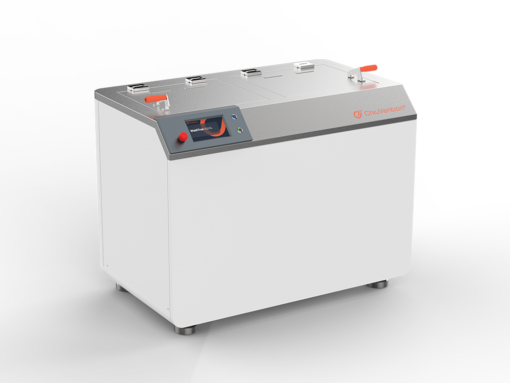
The textile industry relies on strict quality control procedures to ensure fabrics maintain their appearance and performance throughout their lifespan. Among the various quality parameters evaluated by manufacturers, color fastness to water is one of the most important. This property measures a fabric’s ability to resist color change and color transfer when exposed to water, helping manufacturers determine how well a textile will perform under everyday conditions.
As consumers expect garments and textile products to maintain their original appearance after repeated exposure to moisture, testing color fastness to water has become a crucial step in textile quality assurance.
What Is Color Fastness to Water?
Color fastness to water refers to the resistance of dyed or printed textiles to the effects of water exposure. During testing, fabric samples are exposed to controlled water conditions to determine whether the dye remains stable or if color migration occurs.
A fabric with excellent color fastness to water will maintain its original shade and avoid staining adjacent materials. Poor performance, on the other hand, may result in fading, discoloration, or dye transfer, which can negatively affect product quality and customer satisfaction.
This testing method is particularly important for apparel, sportswear, home textiles, swimwear, and outdoor fabrics that frequently come into contact with moisture.
Why Color Fastness to Water Matters
Water exposure is unavoidable in the daily use of many textile products. Rain, perspiration, washing, and humidity can all affect fabric appearance if dyes are not properly fixed during manufacturing.
Testing color fastness to water helps manufacturers:
- Verify dye stability
- Improve product durability
- Reduce customer complaints
- Meet international quality standards
- Enhance brand reputation
By identifying potential color performance issues before products reach consumers, textile companies can improve quality control and maintain competitive advantages in global markets.
The Role of Modern Testing Equipment
Accurate color fastness to water evaluations require precise laboratory conditions and reliable testing equipment. Modern textile laboratories increasingly rely on advanced testing solutions that offer automation, consistency, and compliance with international standards.
The WashTrue testing platform is designed to support a wide range of color fastness evaluations. Its intelligent technologies help laboratories achieve dependable results while improving testing efficiency.
Reliable testing equipment minimizes human error and ensures that each evaluation is conducted under controlled and repeatable conditions.
Intelligent Temperature Control for Consistent Results
Temperature control is a critical factor in many textile testing procedures. Variations in temperature can influence the interaction between dyes and fibers, affecting test accuracy.
Advanced testing systems utilize intelligent temperature control algorithms to maintain precise heating throughout the testing process. This ensures that water conditions remain stable and consistent, improving the reliability of color fastness to water assessments.
Accurate temperature management helps laboratories generate repeatable results that support effective decision-making and product development.
Simplified Operation Through Smart Technology
Modern textile laboratories require equipment that combines precision with ease of use. Smart touch-screen interfaces allow operators to manage testing procedures quickly and efficiently.
Users can easily select testing programs, adjust temperatures, configure timing settings, and monitor test progress through an intuitive control system. Automated functions reduce setup time and improve overall laboratory productivity.
With simplified operation, technicians can focus on evaluating results rather than managing complex testing procedures.
Automated Reporting Improves Efficiency
Documentation is an essential part of textile quality assurance. Traditional manual reporting methods can be time-consuming and increase the risk of errors.
Automated reporting systems streamline this process by recording sample information, testing conditions, and final evaluations throughout the test cycle. Detailed reports are generated automatically, providing accurate records for quality control, audits, and customer documentation.
This automation helps laboratories improve efficiency while maintaining consistent reporting standards.
Remote Monitoring and Digital Laboratory Management
The adoption of digital technologies has transformed textile testing operations. Many advanced testing systems now offer remote monitoring capabilities through IoT-enabled platforms.
Laboratory managers can access testing information from computers, tablets, or smartphones, allowing them to:
- Monitor active tests
- Control multiple instruments
- Receive real-time notifications
- Review reports instantly
- Manage testing schedules remotely
These capabilities increase operational flexibility and support more efficient laboratory management.
Durable Equipment for Long-Term Performance
Testing equipment must withstand continuous use in demanding laboratory environments. High-quality construction materials such as corrosion-resistant stainless steel help ensure long-term reliability.
Durable heating systems, robust mechanical components, and advanced safety features contribute to consistent testing performance while minimizing maintenance requirements. Reliable equipment supports accurate color fastness to water testing over extended periods.
Conclusion
Color fastness to water is a vital indicator of textile quality and durability. By evaluating how fabrics react to moisture exposure, manufacturers can ensure products maintain their appearance and meet customer expectations. Accurate testing helps improve product performance, reduce quality issues, and support compliance with international standards.
As textile quality requirements continue to evolve, advanced testing technologies provide laboratories with the tools needed to conduct reliable color fastness to water assessments efficiently and consistently. Investing in accurate testing solutions ultimately leads to better products, stronger brand reputation, and greater customer satisfaction.