by Ja Darrion | Oct 4, 2026 | Health Tips
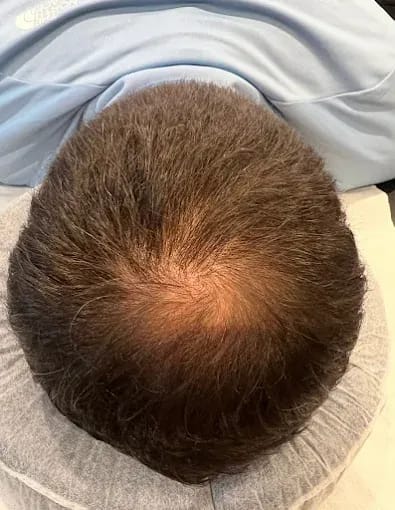
Hair loss changes how you see yourself. Scalp Micropigmentation (SMP) is a non-surgical method that involves depositing pigment into the scalp to give the appearance of a fuller head of hair, with immediate results and little to no recovery time.
I am an SMP specialist located in Leicester with clients all over Leicester and Harborough, Loughborough, Hinckley, Melton Mowbray, as well as further afield across the UK and Europe. Providing a multi-award-winning service when it comes to SMP.
Ideal for:
- Receding hairlines
- 30–55 experiencing hair loss
- Thinning hair
- Full baldness
- Hair transplant scar camouflage
Results build over a short course of sessions, layering pigment until we achieve depth and realism. The result: sharper appearance, added density, and low-maintenance confidence.
WhatsApp your photos today for a free assessment and book your Leicester consultation.
What Is Scalp Micropigmentation?
Scalp Micropigmentation (SMP) is a non-surgical hair loss treatment. It contains small deposits of pigment on the skin itself to match real hair follicles on the scalp. Deposited manually, they are also colour-matched with your natural hair colour and skin to give the appearance of more hair.
It is not a medical procedure, and it is not a hair transplant. No scalpel, no stitches, no surgery. Scalp Micropigmentation is a very accurate type of cosmetic tattooing, performed by a trained scalp micropigmentation artist with hairline design knowledge.
What to expect:
- Results visible from the first session
- No downtime or recovery needed
- Return to normal life straight away
Every treatment I do is built around one goal: a natural, soft finish. No harsh lines, no fake-looking hairline, just one that looks like it’s always been yours.
Why I Do This Work
Before I ever picked up a needle for SMP, I was on the other side of the chair. I went through three hair transplants that didn’t give me the results I was promised, and that experience is exactly why I do things differently now.
I know what it’s like to spend money, hope, and time on a fix that doesn’t work. That’s what pushed me toward SMP, and it’s why I’ve spent years refining this one skill rather than offering everything under the sun. When a client sits down with me, I’m not guessing at what they’re feeling. I’ve been there.
Who Is Scalp Micropigmentation For?
SMP is for anyone who wants to appear as if they have a denser head of hair without invasive surgery. It performs well for any male type of hair loss at any stage and is appropriate for all male ages too. Ideal for:
Receding Hairlines
SMP recreates hairlines if yours has begun to move back. We sculpt a natural-looking front line that is right for your face shape, age, and currently worn hair routine, gentle, not harsh.
Thinning Hair or Diffuse Thinning
SMP adds the illusion of fullness to thin areas across the top or crown of your head. It works invisibly by spreading pigment between existing hair, giving the illusion of thicker, fuller locks.
Full Baldness
If you’re shaved-headed or thin on top, SMP will give the appearance of a close-shaved haircut. This is one of the most popular and effective uses of SMP with outstanding results.
Hair Transplant Scars
SMP can hide the scarring once you have had a hair transplant. The scar is also mixed into the surrounding top of the head, so it is much more difficult to see.
What I Focus On
My specialty is soft, fading hairlines that look completely undetectable that’s it. It’s the one area I keep refining, and it’s what tends to set my work apart.
I don’t do harsh, solid, or flat-looking hairlines. Every one I create is gradual and built to look like it grew in naturally.
Soft, Fading Hairlines
A hairline shouldn’t look like a straight line drawn on the scalp. We layer pigment gradually, so the front edge fades naturally into the skin, the same way a real hairline grows in.
No Harsh or Fake Look
Many SMP results look too solid or too perfect, which is what gives it away. We avoid this completely. Our approach keeps density realistic and irregular, exactly like natural hair follicles.
Tailored to You
Every hairline is designed around your face shape, age, and hair pattern. What looks natural on one person won’t necessarily suit another so nothing is templated or copy-paste.
This attention to detail is why our clients get results that hold up close-up, not just from a distance.
The Process We Follow in Scalp Micropigmentation
Results are built gradually over a short series of sessions, with each one adding a new layer of pigment to build density and realism.
Session 1: Consultation & First Layer
We assess your scalp, discuss your goals, and design a hairline suited to your face shape and age. The first pigment layer is applied to set the base outline.
Session 2: Layering for Density
More pigment is added between the first layer. This is where the gradual layering really shows, adding depth and making the result look fuller and more natural.
Session 3: Final Refinement
We fine-tune the edges, balance tone, and complete the layering process, so the hairline blends seamlessly with your real hair.
This gradual approach is what makes the result look authentic rather than rushed. Downtime is minimal throughout. Expect only slight pinkness for a day or two.
Benefits of our Scalp Micropigmentation in Leicester
For men aged 30–55 dealing with hair loss, SMP delivers change you can feel day to day, not just see in the mirror. Every result I create is built on precision, natural layering, and genuine attention to detail, giving you instant confidence, a sharper appearance, added density, and zero daily maintenance, with results designed to last for years.
Instant Confidence
A well-defined, natural hairline changes how you carry yourself. Most of my Leicester clients notice a real shift in confidence the moment their sessions are complete.
Sharper, More Defined Appearance
With soft, natural hairlines as my specialty, SMP frames your face without ever looking harsh or fake just sharp, refined, and completely believable.
Real Density, Without Surgery
Across 2–3 sessions, pigment is gradually layered to build authentic density. No surgery, no scarring, no downtime just results you can see from session one.
Zero Daily Maintenance
No sprays, fibres, or concealers. Once your sessions are complete, your results are ready every single day, with no upkeep required.
Results Built to Last
With proper aftercare, SMP holds its natural finish for years, backed by the same precision and craftsmanship in every session.
Why Clients Choose Me For Scalp Micropigmentation
SMP results vary hugely depending on who’s holding the needle, and my work is shaped by having lived through the hair loss journey myself, not just studied it.
Award-Winning Expertise
My work has been recognised with multiple industry awards, built on years of refining one specific skill: natural hairline design that doesn’t look “done.”
Specialists in Soft, Natural Hairlines
This is where we differ from most SMP providers in Leicester. We avoid harsh, solid lines completely. Every hairline is layered and faded to look exactly like a real one, because that’s our sole focus, not just one of many services.
Real Results, Real Clients
Every result we showcase is genuine. Real clients, real transformations, no stock photography or exaggerated before/afters.
Precision & Attention to Detail
From your first consultation to your final session, every decision is intentional. Hairline shape, pigment tone, and density are all tailored to you.
A Personal, Premium Experience
You’re not a number on a client list. You get direct communication, honest advice, and a result designed specifically around your face and goals.
Scalp Micropigmentation Before And After
Real results speak louder than promises. Our before and after results show natural, soft hairlines built through gradual layering, with no harsh lines or fake-looking finishes.
What Our Results Show
- Receding hairlines rebuilt with soft, undetectable edges
- Thinning areas filled with realistic density
- Fully bald scalps transformed into a natural buzzed look
- Transplant scars camouflaged seamlessly into the scalp
Every transformation reflects careful, gradual layering, tailored to each client’s face and hair pattern, and, having been through my own transplant journey, I take that responsibility seriously.
Ready for a Natural, Confident Hairline?
As the Scalp Micropigmentation expert with the award-winning Leicester Scalp Micropigmentation specialist, I do not do cookie-cutter work; every hairline that I create is always soft, natural, and built around YOU. Clients across Leicester and Harborough trust my attention to detail and proven track record for delivering results that actually look real.
Here’s how to get started:
- Message me on WhatsApp
- Submit images of your hairline for complimentary analysis
- Book your one-to-one consultation
No sales talk, just expert advice from an artist trusted for soft, natural hairlines that look completely real.
WhatsApp me now and let us start your new hairline.

by Rolando Corley | Jun 29, 2026 | Health Tips
Struggling with addiction can feel overwhelming, but the first and most important step toward healing is deciding to seek help. Many people begin their journey by searching online for ways to find a rehab center that fits their needs, location, and budget. This simple search can open the door to professional treatment, structured support, and a healthier future.
Recovery is not something anyone has to face alone. Professional rehabilitation centers provide medical care, emotional guidance, and long-term recovery planning to help individuals regain control of their lives.
Why It’s Important to Find a Rehab Center Early
Addiction is a progressive condition, meaning it often becomes more severe over time if left untreated. Early intervention increases the chances of successful recovery and reduces long-term damage to physical and mental health.
When people take the step to find a rehab center early, they benefit from:
- Faster access to treatment
- Reduced risk of medical complications
- Better emotional stability
- Improved chances of long-term recovery
- Stronger family and social relationships
Delaying treatment can make recovery more difficult, which is why timely action is essential.
Types of Rehab Centers Available
When trying to find a rehab center, it is important to understand the different types of treatment facilities available. Each option is designed for specific levels of addiction and personal circumstances.
Inpatient Rehab Centers
Inpatient facilities require patients to stay at the center throughout treatment. These programs provide 24/7 medical supervision and a structured environment free from external triggers.
They are ideal for individuals with:
- Severe addiction
- High relapse risk
- Withdrawal symptoms
- Unstable home environments
Outpatient Rehab Centers
Outpatient programs allow individuals to live at home while attending scheduled therapy sessions. This option is more flexible and works well for mild to moderate addiction cases.
Benefits include:
- Continued work or school attendance
- Lower cost compared to inpatient care
- Regular counseling and therapy support
Detox Centers
Detox centers focus on the first stage of recovery—removing substances from the body safely. Medical professionals monitor withdrawal symptoms and provide necessary care during this critical phase.
What to Look for When Choosing a Rehab Center
When trying to find a rehab center, choosing the right one is very important for successful recovery. Not all facilities offer the same level of care.
Key factors to consider include:
Medical Supervision
A good rehab center should have qualified doctors, nurses, and addiction specialists available to manage withdrawal symptoms and provide ongoing care.
Personalized Treatment Plans
Every individual’s addiction history is different. Effective rehab centers create customized treatment plans based on physical health, mental health, and substance use history.
Evidence-Based Therapies
Look for centers that use proven treatment methods such as:
- Cognitive Behavioral Therapy (CBT)
- Group counseling
- Family therapy
- Medication-assisted treatment (if needed)
Aftercare Support
Recovery does not end after treatment. Strong rehab centers provide aftercare programs, relapse prevention planning, and support groups to maintain long-term sobriety.
Steps to Find a Rehab Center
The process of finding the right treatment facility can be simplified into a few key steps.
Step 1: Identify Your Needs
Determine the severity of addiction and whether inpatient or outpatient care is more suitable.
Step 2: Research Treatment Options
Look into available rehab centers, their services, and treatment methods.
Step 3: Check Accreditation
Make sure the facility is licensed and follows proper medical and ethical standards.
Step 4: Compare Costs and Insurance
Treatment costs can vary, so checking insurance coverage and payment plans is important.
Step 5: Contact the Facility
Speak directly with the center to understand their programs, staff, and admission process.
Benefits of Professional Rehab Treatment
Choosing a professional rehab center provides several long-term benefits beyond just stopping substance use.
- Medical safety during withdrawal
- Emotional and psychological support
- Structured recovery environment
- Reduced chances of relapse
- Improved physical and mental health
- Stronger coping skills for daily life
These benefits significantly increase the chances of a successful and lasting recovery.
Life After Finding a Rehab Center
Recovery continues even after leaving a treatment facility. Most individuals need ongoing support to maintain sobriety.
Aftercare may include:
- Continued counseling sessions
- Support group meetings
- Healthy lifestyle changes
- Avoiding triggers and high-risk situations
- Building a supportive social network
Long-term recovery is a journey that requires consistency, commitment, and support.
Conclusion
Deciding to find a rehab center is one of the most important steps in overcoming addiction. With the right treatment facility, individuals can receive the medical care, emotional support, and guidance needed to rebuild their lives.
Recovery is possible for everyone. Taking action today can lead to a healthier, more stable, and more fulfilling future free from addiction.

by Rolando Corley | Jun 23, 2026 | Health Tips
Fast food has become an essential part of modern lifestyles. Busy work schedules, affordable pricing, and quick service make it one of the most popular food choices around the world. However, many consumers still do not fully understand the nutritional value of the meals they consume daily. This is why understanding fast food nutrition facts has become increasingly important for maintaining a healthier lifestyle.
Today, people are paying closer attention to calories, protein, carbohydrates, fats, sugar, and sodium intake. Whether someone wants to lose weight, gain muscle, maintain fitness goals, or improve overall health, accurate nutrition information helps users make smarter decisions before ordering their meals.
The Growing Importance of Fast Food Nutrition Facts
Many fast food meals contain hidden calories and high sodium levels that consumers may not notice immediately. Without proper nutrition awareness, it becomes easy to exceed daily calorie limits or consume unhealthy amounts of sugar and fat.
Reliable nutrition platforms help users explore detailed nutritional information from popular fast food chains worldwide. This allows consumers to compare meals, understand portion sizes, and choose healthier alternatives based on their dietary goals.
One of the biggest challenges in the fast food industry is that nutrition values often vary from country to country. A burger sold in one country may contain different ingredients and calorie counts compared to the same item sold elsewhere. Country-specific nutrition data helps users track their meals more accurately and avoid confusion.
How Nutrition Awareness Improves Daily Eating Habits
Understanding nutritional values creates better awareness around food choices. Instead of selecting meals based only on taste or convenience, users can focus on balanced nutrition that supports long-term health.
For example, many people are now searching for:
- Low-calorie fast food meals
- High-protein menu options
- Low-carb fast food choices
- Healthy fast food alternatives
- Meals suitable for weight loss
When users have access to accurate nutrition facts, they can identify menu items that align with their personal goals. This helps reduce unhealthy eating habits while still allowing people to enjoy their favorite fast food brands responsibly.
The Rise of AI in Nutrition and Food Recommendations
Technology is rapidly changing the health and nutrition industry. Artificial intelligence is now helping consumers make personalized food choices faster and more efficiently than ever before.
An AI nutrition assistant can analyze a user’s dietary preferences, calorie requirements, fitness goals, and eating habits to provide smart recommendations instantly.
Instead of manually searching through restaurant menus, users can ask questions like:
- What is the healthiest burger option?
- Which fast food meal has the most protein?
- What should I eat for weight loss?
- Which fast food item is low in sodium?
The AI system can then recommend suitable meals based on nutritional value and health objectives.
Why AI Nutrition Assistants Are Becoming Popular
Traditional calorie trackers often require users to manually input meal data, which can be time-consuming and confusing. AI-powered nutrition assistants simplify the entire process by offering real-time recommendations and personalized guidance.
These intelligent systems help users quickly compare menu items, track calories, and discover healthier alternatives without spending hours researching nutritional information.
This technology is especially helpful for people with specific health goals, including:
- Weight loss
- Muscle gain
- Diabetic-friendly meal planning
- Low-sodium diets
- Fitness-focused nutrition
AI-based nutrition guidance makes healthy eating more accessible and practical for everyday consumers.
Personalized Fast Food Recommendations for Better Health
One of the most powerful benefits of an AI nutrition assistant is personalization. Every individual has different dietary needs, and AI systems can provide tailored meal suggestions based on those unique requirements.
For example:
- A gym enthusiast may need high-protein fast food meals
- A diabetic user may require lower sugar options
- Someone trying to lose weight may look for low-calorie combinations
- Busy professionals may want balanced meals with controlled portions
By understanding user preferences and health goals, AI technology can make fast food choices smarter and healthier.
The Future of Fast Food Nutrition Technology
Consumers are becoming more health-conscious every year. They no longer want to guess what is inside their meals. Instead, they expect accurate, transparent, and personalized nutrition information before making food decisions.
Websites focused on fast food nutrition facts and AI-powered meal recommendations are helping bridge the gap between convenience and healthy eating. These platforms combine nutritional transparency with intelligent technology to create a better food experience for users worldwide.
As artificial intelligence continues to evolve, nutrition assistants will become even more advanced in understanding eating habits, health patterns, and dietary goals. This innovation will help millions of people make informed decisions while still enjoying the convenience of fast food.
Conclusion
Fast food will continue to remain a major part of modern lifestyles, but healthier choices are now easier to make than ever before. Accurate nutrition information allows consumers to understand what they are eating, while intelligent AI tools provide personalized guidance based on individual health goals.
By combining nutrition awareness with artificial intelligence, users can enjoy fast food more responsibly while supporting better long-term health and wellness.

by Ja Darrion | Feb 24, 2026 | Health Tips
Winter brings colder temperatures, dry air, and harsh winds that can leave skin feeling tight, dry, and irritated. Protecting your skin from these environmental stressors is essential to maintain softness, hydration, and a healthy glow throughout the season. One of the most effective solutions is خرید کرم بیوآکوا (buying Bioaqua cream). At رژیکا (Rojika), we provide authentic Bioaqua creams designed to deeply moisturize, repair, and protect skin from winter dryness, ensuring your complexion remains radiant and healthy even during the coldest months.
Bioaqua is globally recognized for its innovative skincare formulas that combine natural ingredients with advanced technology, making Bioaqua creams perfect for winter skincare.
How Winter Affects the Skin
Winter weather can have several negative effects on your skin:
- Dryness and Flakiness: Cold air and indoor heating strip the skin of moisture.
- Tightness and Irritation: Skin may feel itchy, sensitive, and uncomfortable.
- Redness and Inflammation: Harsh winds and temperature changes can trigger redness.
- Dullness: Lack of hydration can make skin appear lifeless and uneven.
Bioaqua creams help combat these issues by restoring hydration, strengthening the skin barrier, and soothing irritation.
Best Bioaqua Creams for Winter Skincare at Rojika
رژیکا offers Bioaqua creams specifically formulated for winter protection:
- Deep Hydration Creams: Provide intense moisture to prevent dryness and flakiness.
- Repairing Creams: Strengthen the skin barrier and soothe irritation caused by cold weather.
- Brightening Winter Creams: Restore radiance lost due to dull winter air.
- Nourishing Creams: Contain natural oils and botanical extracts to replenish skin nutrients.
Using these creams consistently keeps your skin soft, smooth, and protected throughout the winter months.
Why Buy Bioaqua Cream from Rojika
Purchasing خرید کرم بیوآکوا from رژیکا ensures authenticity and quality:
- Guaranteed Authenticity: Avoid counterfeit products that may worsen dryness or irritation.
- Affordable Pricing: Premium skincare without overspending.
- Wide Selection: Hydrating, repairing, nourishing, and brightening creams.
- Safe Delivery: Products arrive securely packaged and ready to use.
- Expert Guidance: رژیکا helps you select the ideal cream for winter skincare needs.
Buying from رژیکا guarantees your winter skincare routine is effective and safe.
How to Use Bioaqua Cream for Winter Protection
Follow these steps for optimal winter hydration:
- Cleanse Gently: Use a mild cleanser to remove impurities without stripping moisture.
- Apply Toner (Optional): Prepares skin for hydration and enhances cream absorption.
- Apply Bioaqua Cream: Massage evenly over face and neck, focusing on dry or sensitive areas.
- Layer for Extra Protection: Use serum underneath for additional hydration if needed.
- Apply Morning and Night: Regular use ensures long-lasting hydration and protection.
This routine helps your skin stay comfortable, hydrated, and radiant even during harsh winter conditions.
Additional Tips for Winter Skincare
- Avoid hot showers, which can further dry out skin.
- Use a humidifier indoors to maintain moisture in the air.
- Drink plenty of water to hydrate skin from within.
- Include antioxidant-rich foods to support skin repair and health.
- Wear protective clothing and scarves to shield skin from cold winds.
Combining these habits with Bioaqua creams from رژیکا ensures your skin remains soft, hydrated, and protected all winter long.
Conclusion
In conclusion, خرید کرم بیوآکوا from رژیکا is an excellent choice for winter skincare and protection against dryness. Bioaqua creams hydrate, nourish, repair, and strengthen the skin barrier, keeping your skin soft, smooth, and radiant despite harsh weather. Purchasing from رژیکا guarantees authenticity, safe delivery, and expert guidance, making your winter skincare routine effective and reliable. Start using Bioaqua creams today and enjoy healthy, hydrated, and glowing skin throughout the winter season.

by Ja Darrion | Feb 10, 2026 | Health Tips
As the landscape of family building continues to evolve, surrogacy has emerged as a viable option for many aspiring parents. In 2026, the surrogacy process, while retaining its core principles, has undergone significant transformations influenced by advancements in technology, legal frameworks, and social perceptions. This article aims to provide a comprehensive, step-by-step guide to navigating the surrogacy journey in the current era, highlighting the essential phases involved from initial considerations and selecting a surrogacy agency to legal agreements and the gestational process.
Understanding this intricate process not only empowers intended parents to make informed decisions but also fosters a supportive and ethical environment for surrogates. As we delve into each step, we will address key factors such as medical screenings, the importance of psychological evaluations, the role of legal counsel, and the emotional dynamics that can arise throughout the process. By demystifying surrogacy and presenting a clear roadmap, this article seeks to equip individuals and couples with the knowledge they need to embark on this life-changing journey with confidence and clarity in 2026.
Understanding the Surrogacy Journey Overview
The surrogacy journey is a multifaceted process that involves several key stages, each requiring careful consideration and planning. Initially, intended parents must assess their motivations for choosing surrogacy, including medical, emotional, or social factors. Once this decision is made, they typically engage with a surrogacy agency or legal expert to navigate through the necessary legalities, which include contracts, parental rights, and compensation agreements. This stage is crucial, as it ensures that all parties are protected and understand their responsibilities throughout the process. For more information visit vientre de alquiler en España
Following the legal groundwork, the next phase involves selecting a surrogate who aligns with the intended parents’ preferences and values. This selection can be facilitated by the agency, which conducts thorough screenings to ensure that the surrogate is medically, psychologically, and emotionally prepared for the journey. The medical aspect then comes into play, involving fertility treatments, embryo transfer, and close monitoring of the surrogate’s health throughout the pregnancy. Each of these phases requires ongoing communication and collaboration among the intended parents, the surrogate, and the medical team to foster a supportive environment that prioritizes the well-being of all involved.
Legal Considerations for Surrogacy Agreements
In the context of surrogacy agreements, it is essential to recognize the complexities surrounding legal frameworks that govern the rights and responsibilities of all parties involved. Each jurisdiction may have distinct laws that dictate the enforceability of surrogacy contracts, parental rights post-birth, and the compensation structures permissible for surrogates. Therefore, it is imperative for intended parents to engage knowledgeable legal counsel specializing in reproductive law to draft comprehensive agreements that clearly outline the terms of the arrangement, ensuring that all potential legal issues are addressed proactively.
Additionally, the surrogacy agreement must take into account the surrogate’s health, obligations, and any support she may need during the pregnancy. This includes provisions related to medical care, confidentiality, and the potential for unforeseen circumstances, such as multiple births or complications. Clarity in these agreements is vital not only for legal protection but also for fostering a sense of trust and understanding among all parties, thereby enhancing the overall surrogacy experience. Legal considerations, if handled thoroughly from the outset, can mitigate future disputes and assist in achieving a harmonious outcome for everyone involved. For more information visit clinica del professor Feskov A.M.
Preparing for the Surrogacy Transfer Process
As the transfer date approaches, meticulous preparation becomes crucial to ensure the well-being of the surrogate and the success of the embryo transfer. Both intended parents and the surrogate should undergo thorough medical evaluations, which may include blood tests, imaging, and consultations with fertility specialists to confirm readiness for the procedure. Psychological assessments are also beneficial, allowing all parties to navigate the emotional aspects of the journey effectively. Open communication between the surrogate and the intended parents is vital, as it fosters a supportive environment, facilitating discussions regarding expectations, concerns, and the logistics of the transfer day.
Furthermore, a detailed plan should be established for the transfer day itself, encompassing travel arrangements, accommodations, and the presence of support persons. The intended parents should coordinate with the healthcare facility to ensure all necessary documentation is prepared and that both parties understand the timeline of events. Pre-transfer rituals or practices, such as relaxation techniques or affirmations, can also be incorporated to enhance the emotional resilience of the surrogate. By addressing these elements thoughtfully, all parties can contribute to a positive transfer experience, significantly influencing the potential for a successful pregnancy.
In conclusion, understanding the surrogacy process step by step is crucial for intended parents and surrogates alike, especially in the evolving landscape of 2026. As we have explored, the journey involves several important stages, from initial consultations and legal agreements to medical screenings and the embryo transfer process. Each step is designed to ensure the well-being of all parties involved and to foster a supportive environment for the successful arrival of a new life. As societal attitudes towards surrogacy continue to shift, it is essential to stay informed about the latest regulations and best practices, ensuring a smooth and positive experience for everyone involved in this profound journey. With careful planning and communication, surrogacy can offer a fulfilling path to parenthood for those who choose it.

by Rolando Corley | Dec 4, 2025 | Health Tips
Sea moss, a type of red algae that washes up along the Atlantic coasts, has been celebrated for its rich nutritional profile and myriad health benefits. This sea vegetable has gained popularity over recent years, becoming a trending superfood among health enthusiasts, alike. In this article, we will explore the fascinating world of sea moss, its origins, benefits, and how to incorporate it into your daily routine.
The Origins of Sea Moss
Originating from the rocky shores of Ireland, sea moss, also known as Irish moss, has been a staple in traditional Irish cuisine for centuries. Historically, residents of the coastal regions have used sea moss not just as a food source but also as a remedy to combat various ailments. The use of sea moss has spread globally, and it is now harvested in various parts of the world, including the Caribbean and Asian regions. It thrives in clean, cold waters, soaking up minerals and nutrients from its environment, which lends to its impressive health benefits.
Nutritional Profile of Sea Moss
Sea moss is lauded for its diverse range of nutrients. It is rich in vitamins and minerals, boasting high levels of iodine, calcium, magnesium, potassium, and vitamin C. Iodine is particularly important for thyroid function, as it helps regulate hormone production, metabolism, and overall energy levels. Aside from iodine, sea moss provides essential amino acids and antioxidants, which contribute to its detoxifying properties. The presence of alginates in sea moss also allows it to act as a natural thickening agent in food, making it versatile in culinary applications.
Health Benefits of Sea Moss
Numerous studies suggest that incorporating sea moss into one’s diet can offer various health benefits. Its high fiber content promotes digestive health by acting as a prebiotic that nourishes beneficial gut bacteria. Prebiotics play a crucial role in maintaining gut health, improving nutrient absorption, and supporting the immune system.
One of the standout features of sea moss is its anti-inflammatory properties, primarily due to the presence of antioxidants. These antioxidants help combat oxidative stress in the body, reducing the risk of chronic diseases and promoting overall wellness. Individuals suffering from joint pain and inflammation may find relief through regular consumption of sea moss, as it may help alleviate discomfort and improve mobility.
Moreover, sea moss is often considered a natural mood booster. Its rich nutrient content supports cognitive health, which can enhance mental clarity and improve mood. By providing essential vitamins and minerals, it contributes to better brain function and may help alleviate symptoms of anxiety and depression.
Sea Moss and Thyroid Health
Perhaps one of the most significant benefits associated with sea moss is its support for thyroid health. The thyroid gland plays a vital role in regulating metabolism, energy production, and hormonal balance. Many individuals struggle with thyroid issues, such as hypothyroidism, which can lead to fatigue, weight gain, and mood imbalance.
The iodine found in sea moss is instrumental in the production of thyroid hormones. Regular consumption of sea moss can help maintain healthy iodine levels in the body, potentially reducing the risk of thyroid-related health issues. However, individuals with existing thyroid conditions should consult healthcare professionals before incorporating sea moss into their diets to ensure it aligns with their treatment plans.
How to Incorporate Sea Moss into Your Diet
Integrating sea moss into your daily routine is easier than you might think. One popular method is to use sea moss gel, which can be made by soaking and blending dried sea moss until it forms a smooth consistency. This gel can be added to smoothies, soups, salads, or even used as a thickening agent in sauces. Additionally, sea moss capsules or powdered forms are available and offer a convenient way for individuals on the go to reap its benefits.
If you’re experimenting with sea moss in the kitchen, try adding it to baked goods for an extra nutritional boost or blending it into your morning coffee for a surprising twist. The neutral flavor of sea moss allows it to blend seamlessly with various foods, enhancing your meals without altering the taste.
Safety and Precautions
While sea moss offers numerous benefits, it is essential to approach it with caution. As with any supplement or dietary addition, moderation is key. Overconsumption of iodine can lead to thyroid dysfunction, so individuals should be aware of their iodine intake and adjust accordingly.
Furthermore, it’s crucial to source sea moss from reputable suppliers to ensure purity and safety. Seaweed can absorb heavy metals and toxins from its environment, making it essential to choose products that are tested for contaminants. This diligence will help you take full advantage of the health benefits of sea moss while minimizing potential risks.
Conclusion
In a world where health trends come and go, sea moss has established itself as a valuable addition to any health-conscious individual’s diet. Its rich array of nutrients and numerous health benefits—ranging from supporting thyroid function to enhancing digestive health—make it a worthy consideration for anyone looking to elevate their wellness journey. As more people turn to natural solutions for enhancing health, the benefits of sea moss will undoubtedly continue to gain recognition and appreciation worldwide. Whether you enjoy it in gel, powdered, or capsule form, embracing this nutrient-rich sea vegetable could be one of the best decisions for your health.