
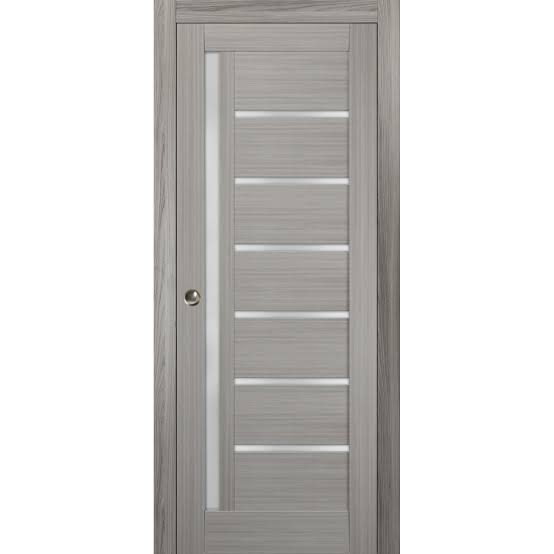
In the intricate world of interior design, our focus is frequently drawn to the primary visual anchors of a room. We obsess over the grain of hardwood flooring, the veining of marble kitchen islands, and the sculptural profiles of bespoke illumination. Yet, the foundational character of a residence is often defined by its transitional spaces. Doors are the architectural articulation points of a home. They govern the movement of light, establish psychological boundaries between public and private zones, and dictate the rhythmic flow of daily life. In a high-density, vertical metropolis where every square inch carries immense aesthetic and structural weight, the treatment of doorways is a vital expression of sophisticated design. Approaching interior portals as custom furniture rather than utility fixtures can fundamentally reimagine the experience of urban living.
The Architectural Heritage of Metropolitan Interiors
To understand the significance of residential thresholds in New York City, one must examine the diverse architectural fabric that defines the region. From the gilded-age elegance of the Upper East Side to the pre-war Art Deco cooperatives along Central Park West, every building possesses a distinct structural vocabulary. In these historic structures, original doorways were designed with generous proportions, formal trim, and substantial casing to project permanence and grandeur. Over time, however, hasty renovations and subdivisions often stripped these spaces of their original charm, replacing rich timber structures with hollow, uninspired alternatives.
Modern homeowners and interior designers are increasingly prioritizing the restoration and thoughtful modernization of these internal boundaries. Re-establishing the correct scale and materiality of room transitions restores the innate dignity of an apartment. When sourcing high-quality fixtures that complement both classic and contemporary residences across the metropolitan area, exploring comprehensive collections of Interior Doors NYC allows designers to match specific period details or introduce bold, contrasting modern interventions. Whether opting for sleek, frameless flush designs that blend invisibly into gallery-white walls or heavy, paneled solid-wood doors that celebrate historical craftsmanship, the goal is always to achieve a seamless dialogue between the architecture of the building and the personal style of the resident.
Navigating Brooklyn’s Diverse Design Landscape
Across the East River, the design ethos shifts dramatically, reflecting a dynamic fusion of historical preservation and cutting-edge industrial conversion. Kings County has become a global epicenter for artisanal design, where the architectural narrative is defined by textural richness and creative adaptive reuse. The borough’s iconic nineteenth-century brownstones, federal-style brick townhouses, and expansive converted warehouses in neighborhoods like DUMBO, Greenpoint, and Bushwick present unique spatial opportunities that require specialized design solutions.
In a traditional multi-story brownstone, the layout typically features narrow footprints with high ceilings. Here, doors must accentuate verticality while maintaining the intimate, compartmentalized warmth of classic parlor floors. Homeowners frequently seek out bespoke designs that incorporate traditional shaker profiles, custom beadwork, or deep stain finishes that harmonize with original mahogany staircases and exposed brickwork. Conversely, industrial loft conversions celebrate open-concept living where standard swinging doors might disrupt the expansive visual scale. In these industrial spaces, massive steel-and-glass partitions, raw timber sliding barn mechanisms, or oversized pivot doors serve as dynamic functional art pieces. Identifying the right Interior Doors Brooklyn involves curating elements that respect the raw, authentic character of the borough while providing modern acoustic isolation and spatial division.
Mastering Spatial Perception and Light Flow
One of the most persistent challenges in New York real estate is the optimization of natural light. Many pre-war apartments and deep-footprint buildings feature interior corridors, bathrooms, or secondary bedrooms that sit far from exterior windows. In these scenarios, the strategic selection of door materials can transform a gloomy, cavernous layout into a luminous, airy sanctuary.
Replacing opaque, solid barriers with translucent or semi-opaque glass-paned doors is a sophisticated architectural intervention. French doors featuring traditional divided lites or clean, uninterrupted glass panels allow sunlight to travel unimpeded from street-facing living rooms into interior dining areas and entry foyers. For spaces that require visual privacy without sacrificing illumination—such as home offices, guest bathrooms, or walk-in dressing rooms—designers frequently turn to specialized glazing options. Reeded glass, fluted glass, and acid-etched frosted panels diffuse incoming light, creating subtle, captivating shadow play while ensuring absolute privacy for the occupant. Additionally, incorporating transom windows above standard doorways is a time-tested architectural technique that promotes continuous passive airflow and light circulation throughout the home, even when the primary doors are closed.
The Engineering of Privacy: Acoustics and Mechanics
While visual aesthetics are paramount, the mechanical performance and acoustic density of an interior door are equally critical to daily comfort. Multi-family urban dwellings are sensory-rich environments where the attenuation of sound is essential for peace and relaxation. Hollow-core products, constructed with a thin veneer over a cardboard honeycomb interior, act as drumheads that amplify and transmit noise between rooms.
Upgrading to solid-core or solid-wood construction transforms the acoustic profile of a residence. These dense structures absorb kinetic energy and dampen high-frequency sound waves, ensuring that noisy kitchen appliances, entertainment systems, and exterior street clamor do not disrupt the tranquility of private bedrooms and studies. Beyond acoustic insulation, high-performance interior doors rely on precision mechanical hardware. The tactile sensation of operating a well-balanced door—supported by heavy-duty architectural hinges, concealed ball-bearing tracks, and magnetic mortise locks—imparts an unmistakable feeling of luxury and structural integrity. Magnetic catch mechanisms, which keep the latch bolt retracted until the door aligns perfectly with the frame, eliminate the loud metallic clicking associated with traditional spring latches, allowing for silent operation throughout the home.
Custom Craftsmanship and Sustainable Material Selection
The modern renovation landscape places a premium on environmental consciousness and material authenticity. Homeowners are moving away from synthetic laminates and volatile organic compound (VOC) heavy paints in favor of sustainably sourced, natural materials that improve indoor air quality and age gracefully over time.
Engineered solid cores clad in premium wood veneers—such as white oak, walnut, ash, and maple—offer exceptional dimensional stability. Unlike solid timber, which can warp or swell when exposed to the drastic seasonal humidity swings typical of the Northeastern climate, engineered construction maintains strict structural tolerances year-round. Furthermore, the finishing process has evolved to embrace low-VOC water-based lacquers, natural hand-rubbed oils, and custom hard-wax finishes. These treatments protect the raw organic beauty of the wood grain while ensuring a safe, non-toxic environment for residents. When engaging in a high-end renovation, collaborating with fabricators who prioritize sustainable forestry practices and precision craftsmanship ensures that every doorway serves as a lasting testament to quality and environmental stewardship.
Conclusion
The doors within a residence are far more than functional instruments of ingress and egress; they are powerful architectural elements that define the cadence, atmosphere, and functionality of an interior space. In the fast-paced, dense environment of New York City and Brooklyn, transforming your home into a serene, efficient sanctuary requires careful attention to these often-overlooked thresholds. By balancing period-appropriate aesthetics with modern mechanical innovations, homeowners can resolve complex spatial challenges, optimize natural illumination, and achieve superior acoustic isolation. Whether restoring the stately grandeur of a historic brownstone or introducing minimalist precision to a contemporary sky-high apartment, investing in high-quality, thoughtfully designed interior doors elevates the entire residential experience. Ultimately, these transitional portals bridge the gap between structural necessity and inspired artistry, cementing the lasting value and enduring beauty of your urban home.