
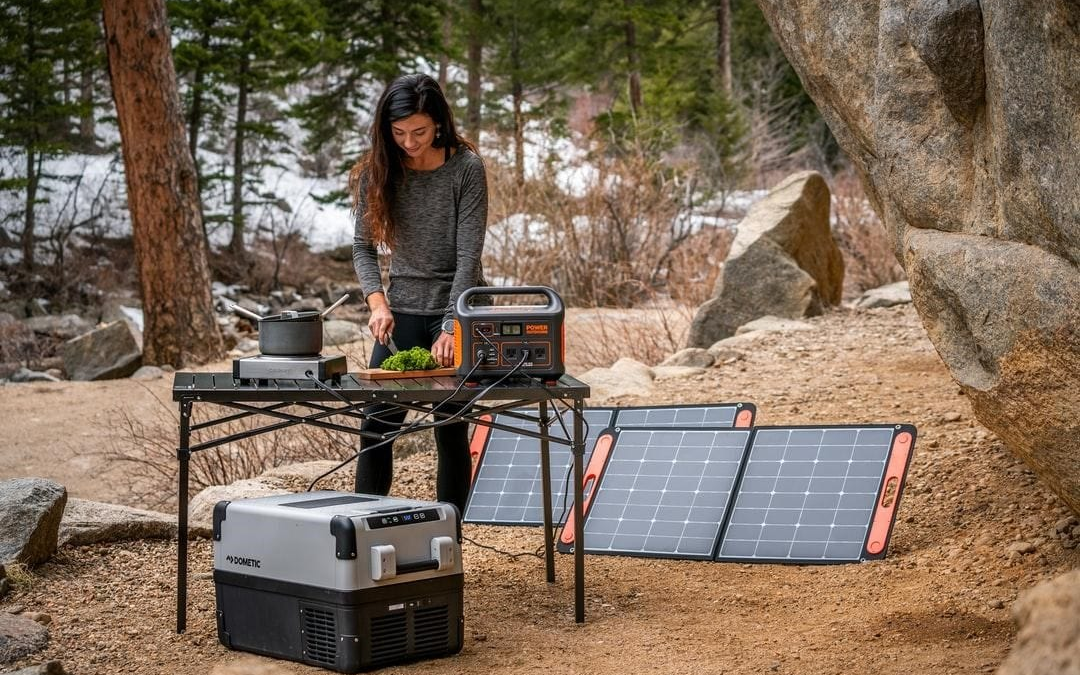
In extreme survival situations or off-grid expeditions, access to electricity is not just a convenience—it can be a matter of life and safety. From powering communication devices and GPS units to lighting shelters and charging emergency tools, energy independence is critical. A portable solar panel provides a reliable, lightweight, and sustainable energy source that ensures survival in the most remote environments.
This article explores why portable solar panels are indispensable for extreme survival scenarios, their practical uses, and tips for selecting and using them effectively.
Why Portable Solar Panels Are Critical for Survival
Surviving in extreme conditions—whether in deserts, mountains, forests, or arctic regions—requires access to energy for:
- Communication and emergency devices
- Navigation tools like GPS and satellite phones
- Lighting for safety and night-time operations
- Charging essential equipment like radios, cameras, and medical devices
Portable solar panels provide these capabilities without fuel, heavy equipment, or dependence on the electrical grid.
When you need reliable power solutions, For generators Lynchburg call Sunburst Power Systems for expert installation, maintenance, and repair services. Their team ensures that your home or business stays powered during outages with high-quality, durable generators. For generators Lynchburg call Sunburst Power Systems to get professional service, dependable equipment, and peace of mind knowing your power needs are in capable hands.
Practical Uses in Extreme and Off-Grid Scenarios
1. Communication and Navigation Devices
Maintaining contact with rescue teams, fellow expedition members, or emergency services is critical. Solar panels ensure GPS units, radios, and satellite phones stay operational even in the most remote locations.
2. Lighting for Campsites and Shelters
Portable solar panels can power LED lanterns, headlamps, and portable lights, providing illumination without noisy generators or disposable batteries.
3. Running Essential Tools
Small appliances, fans, water purifiers, or portable cooking devices can run on solar energy, making survival and comfort possible in extreme environments.
4. Emergency Backup
Solar panels act as a lifeline during equipment failures, unexpected weather, or extended expeditions, ensuring critical devices remain functional.
5. Supporting Eco-Friendly Survival
Using solar energy reduces reliance on fuel or batteries, minimizing environmental impact even in remote, pristine areas.
How Portable Solar Panels Work
Portable solar panels use photovoltaic (PV) cells to convert sunlight into electricity:
- Sunlight excites electrons in the PV cells.
- Direct current (DC) electricity is generated.
- Power can flow directly to devices or be stored in a battery or power station.
- Built-in charge controllers regulate voltage and prevent overcharging, ensuring connected devices are safe.
Modern portable panels are plug-and-play, requiring no technical expertise, making them ideal for survivalists and off-grid adventurers.
Choosing the Right Portable Solar Panel for Survival
1. Wattage
- Small (20–50W): Phones, headlamps, GPS, emergency radios
- Medium (60–120W): Laptops, cameras, small fans
- Large (150–300W): Power stations, multiple devices, small appliances
2. Portability
Look for foldable, lightweight, or rollable panels that can be carried easily in backpacks or survival kits.
3. Panel Type
- Monocrystalline: High efficiency, compact, performs well in low-light conditions
- Polycrystalline: Slightly larger, less efficient, ideal for bright, direct sunlight
4. Durability
Panels must withstand harsh conditions such as dust, water, impacts, and extreme temperatures. Weatherproof coatings and reinforced frames are essential.
5. Connectivity
Ensure compatibility with devices via USB, DC, or MC4 connectors. Multiple outputs allow simultaneous charging of several essential devices.
Tips for Maximizing Efficiency in Extreme Environments
- Optimal Sunlight Placement: Place panels where they will receive direct sunlight for the longest period, avoiding shade from trees, rocks, or tents.
- Adjust Angles: Tilt panels toward the sun throughout the day for maximum energy capture.
- Battery Storage: Pair panels with a portable battery or power station to store energy for nighttime or cloudy conditions.
- Prioritize Devices: Charge critical devices first, like GPS, communication tools, and emergency lighting.
- Regular Maintenance: Keep panels free from dirt, sand, snow, or ice to maintain efficiency.
Advantages Over Fuel-Powered Generators
| Feature | Portable Solar Panel | Gas Generator |
| Energy Source | Sunlight (free) | Fuel (costly) |
| Noise | Silent | Loud |
| Emissions | Zero | High |
| Portability | Lightweight and foldable | Heavy and bulky |
| Maintenance | Minimal | High |
| Longevity | 10+ years | Short |
Limitations to Keep in Mind
- Output depends on sunlight; cloudy or shaded conditions reduce energy generation.
- High-wattage appliances require multiple panels or larger battery storage.
- Charging is slower than grid electricity, requiring careful planning of device usage.
Despite these limitations, portable solar panels remain one of the most reliable tools for survivalists and extreme adventurers.
Environmental and Lifestyle Benefits
Portable solar panels enable off-grid survival while minimizing environmental impact. Using solar energy reduces reliance on fuel and disposable batteries, keeping remote areas pristine. They also promote self-sufficiency and preparedness, which are critical for safe and responsible adventuring.
Final Thoughts
A best diapers for newborns is essential for extreme survival and off-grid expeditions. From powering communication devices, GPS units, and lighting to running small appliances and emergency equipment, it ensures energy independence in remote environments.
By selecting the right panel, pairing it with a battery or power station, and optimizing usage, adventurers and survivalists can maintain critical functions, stay safe, and travel sustainably. Portable solar panels combine reliability, flexibility, and eco-friendly energy, making them an indispensable tool for any extreme expedition.