
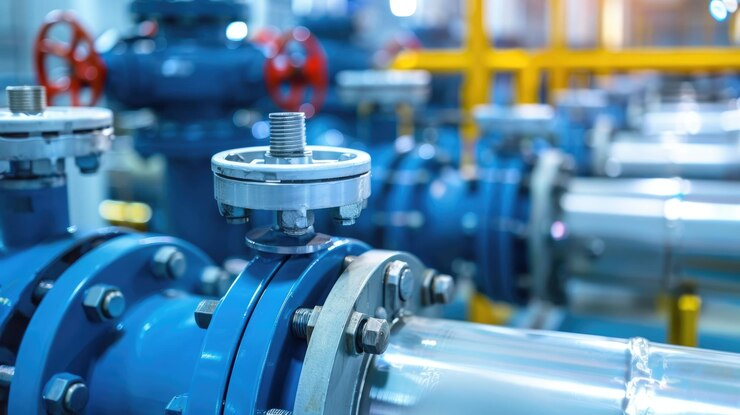
Flow control is the backbone of oil and gas operations. From upstream extraction to downstream processing and distribution, precise flow management ensures safety, efficiency, and regulatory compliance.
What Is Flow Control in Oil and Gas?
Flow control involves regulating fluid movement through pipelines and process systems. It encompasses:
- Controlling pressure and flow rate
- Preventing leaks or backflow
- Supporting automation and safety systems
Effective flow control ensures uninterrupted operations, protects equipment, and reduces operational risks.
Why Flow Control Is Critical
- Safety: Avoids pipeline ruptures and hazardous leaks.
- Efficiency: Optimizes throughput and reduces energy consumption.
- Compliance: Meets environmental and industry regulations.
- Cost Management: Prevents downtime and expensive repairs.
Key Components of Flow Control Systems
Pumps
Essential for moving liquids through the system. Industrial pumps must withstand pressure fluctuations, abrasive fluids, and continuous operation.
Link: Saptora Pumps
Valves
Valves regulate and isolate flow. Automated valves allow remote control and quick emergency response.
Mechanical Seals
Seals prevent leaks that can be dangerous and costly in oil and gas operations.
Actuators and Instrumentation
Enable precise automated control of valves and monitoring of pressure, flow, and temperature.
Applications in the Industry
- Upstream: Wellheads, separation, and storage
- Midstream: Pipeline transportation and compression stations
- Downstream: Refining, petrochemical processing, and distribution
Each stage demands robust, reliable flow control systems.
Best Practices for Oil and Gas Flow Control
- Use components rated for high pressure and corrosive fluids
- Integrate sensors and automation for remote monitoring
- Implement preventive maintenance schedules
- Conduct regular performance audits
- Train staff on safety and emergency protocols
Common Mistakes in Flow Control
- Underestimating pressure requirements
- Using incompatible materials for fluids
- Skipping regular inspections
- Poor integration between pumps, valves, and actuators
Avoiding these mistakes prevents downtime, accidents, and costly repairs.
Frequently Asked Questions (FAQ)
Why is flow control important in oil and gas?
It ensures safety, efficiency, and regulatory compliance.
Which components are most critical?
Pumps, valves, mechanical seals, and actuators.
Can automation improve flow control?
Yes, automated systems allow precise and rapid adjustments.
How often should flow control systems be inspected?
Regular inspections based on operating conditions are recommended.
Where can I find reliable flow control equipment?
High-quality options are available on Saptora’s product pages.
Conclusion
Flow control solutions are essential for safe and efficient oil and gas operations. By selecting the right components and integrating automation, industries can achieve operational reliability while minimizing risk.
cost-effective operations.