
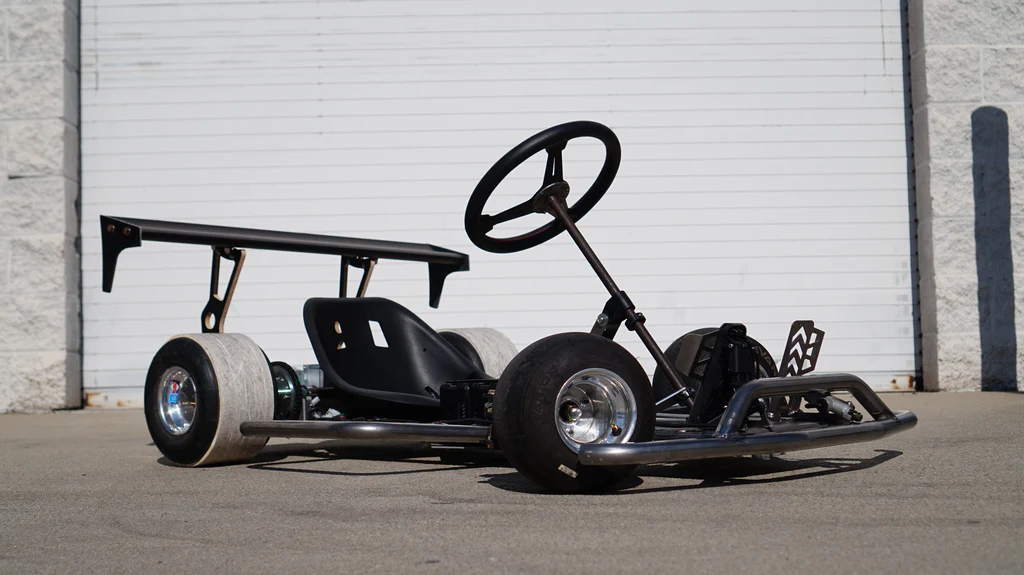
Motorsport has always balanced speed with skill, but few machines highlight driver technique as clearly as drift karts. Designed to emphasize controlled sliding rather than outright grip, drift karts provide an exciting and approachable way to experience drifting. They allow drivers to explore vehicle dynamics, throttle control, and steering precision without the high costs or risks associated with full-sized drift cars. As interest in skill-based driving continues to grow, drift karts have become a defining platform for both learning and enjoyment.
What Defines Drift Karts
Drift karts are compact, purpose-built vehicles engineered specifically for controlled oversteer. Unlike traditional go-karts that prioritize stability and lap times, drift karts are designed to break rear traction smoothly and predictably. This design allows the driver to initiate, hold, and exit drifts with confidence. The emphasis is not on maximum speed but on balance, timing, and coordination, making drift karts a unique category within karting and motorsport.
The Engineering Principles Behind Drift Karts
The engineering of drift karts focuses on responsiveness and simplicity. Lightweight frames ensure that every steering and throttle input produces an immediate reaction, helping drivers understand how their actions affect vehicle behavior. Rear-wheel drive is essential, as it allows power to induce controlled slides. Tire choice plays a critical role, with lower-grip rear tires encouraging drift and higher-grip front tires maintaining steering authority. Steering geometry is carefully tuned to allow quick corrections, giving drivers confidence even during aggressive slides.
Why Drift Karts Appeal to So Many Drivers
Drift karts have gained popularity because they remove many barriers traditionally associated with drifting. Full-sized drift cars require significant investment, mechanical expertise, and large tracks. Drift karts offer a more accessible alternative that is easier to transport, maintain, and operate. Their compact size allows them to be used in indoor facilities and smaller outdoor circuits, opening drifting to a wider audience that includes beginners, hobbyists, and experienced racers looking for a focused training tool.
The Sensation of Driving Drift Karts
Driving drift karts is an immersive experience that demands constant attention. Throttle input directly influences rear traction, while steering determines the angle and direction of the slide. Because drift karts are lightweight, weight transfer is easy to feel, allowing drivers to develop an intuitive understanding of balance. Maintaining a smooth drift requires precise adjustments, making each lap a test of focus and coordination. This hands-on feedback is one of the reasons drift karts are so engaging and rewarding.
Learning Drifting Fundamentals Effectively
Drift karts are exceptionally effective for learning the fundamentals of drifting. Drivers can practice initiating slides, counter-steering, and throttle modulation in a controlled environment. Mistakes occur at lower speeds than in full-sized vehicles, making them easier to correct and less intimidating. This encourages experimentation and accelerates learning. The skills developed through drift karts translate well to other forms of motorsport, reinforcing their value as both a recreational and educational platform.
Ideal Conditions for Drift Karts
Consistent surfaces are key to getting the most from drift karts. Smooth asphalt or polished concrete provides predictable traction, allowing drivers to focus on technique rather than unpredictable grip changes. Indoor tracks are particularly popular because they offer controlled conditions year-round. Outdoor paved circuits also work well, especially when properly maintained. These environments allow drift karts to perform as intended while maximizing safety and consistency.
Selecting the Right Drift Karts
Choosing the right drift karts depends on experience level and driving goals. Beginners benefit from models with moderate power and forgiving handling that allow gradual progression. More advanced drivers often look for drift karts with adjustable components such as steering response and suspension characteristics. These adjustments make it possible to fine-tune handling for different tracks and driving styles, ensuring that drift karts remain challenging and enjoyable as skills improve.
Maintenance and Reliability
Regular maintenance is essential for keeping drift karts performing consistently. Drifting places repeated stress on tires, steering components, brakes, and drivetrain parts. Monitoring wear and replacing components when necessary helps maintain predictable handling. Tire condition is especially important, as it directly affects slide behavior. Well-maintained drift karts provide reliable feedback, which is crucial for building confidence and refining driving technique.
Safety and Responsible Use
Safety is a vital aspect of enjoying drift karts. Wearing appropriate protective gear such as helmets and protective clothing significantly reduces the risk of injury. Drift karts should always be used in designated areas away from traffic and obstacles. When driven responsibly, they provide a controlled environment where drivers can push their limits while minimizing risk. This balance between excitement and safety is a key reason for their growing popularity.
Drift Karts in Competitive Environments
Competitive drift karting has emerged as an exciting motorsport discipline. Events often focus on control, consistency, and style rather than outright speed. Drivers are judged on their ability to maintain smooth slides, precise angles, and clean transitions. Competition pushes participants to refine their skills under pressure and encourages creativity in driving style. It also builds a strong community of enthusiasts who share a passion for drifting.
Supporting Long-Term Skill Growth
One of the greatest strengths of drift karts is their ability to support long-term development. As drivers gain experience, they can explore advanced techniques, experiment with setup changes, and challenge themselves on more complex track layouts. This adaptability keeps the experience engaging over time. Drift karts reward patience and practice, making them ideal for drivers who value continuous improvement and mastery.
Innovation and the Evolution of Drift Karts
Technological advancements continue to shape the future of drift karts. Lighter materials improve responsiveness, while refined chassis designs enhance stability during sustained slides. Tire technology has evolved to provide more predictable performance and durability. Electric drift karts are also becoming more common, offering smooth power delivery and reduced noise without sacrificing excitement. These innovations ensure that drift karts remain relevant and appealing in a rapidly changing motorsport landscape.
The Future of Drift Karts
As drifting continues to attract new enthusiasts, drift karts are positioned to play an increasingly important role. Their affordability and versatility make them suitable for training programs, recreational facilities, and competitive events. Continued innovation will further improve safety, performance, and accessibility. Drift karts are not a passing trend but a lasting platform that supports learning, competition, and pure driving enjoyment.
Conclusion
Drift karts represent a unique blend of excitement, accessibility, and skill-focused driving. Their specialized design allows drivers to experience controlled drifting in a way that is both thrilling and educational. From beginners discovering the basics to experienced drivers refining advanced techniques, drift karts offer a rewarding path for anyone interested in mastering control behind the wheel. As a gateway into drifting and a powerful tool for precision driving, drift karts continue to redefine what accessible motorsport can be.